
Why End-Grain Heirloom Cutting Boards for Mother's Day are the Definitive Investment
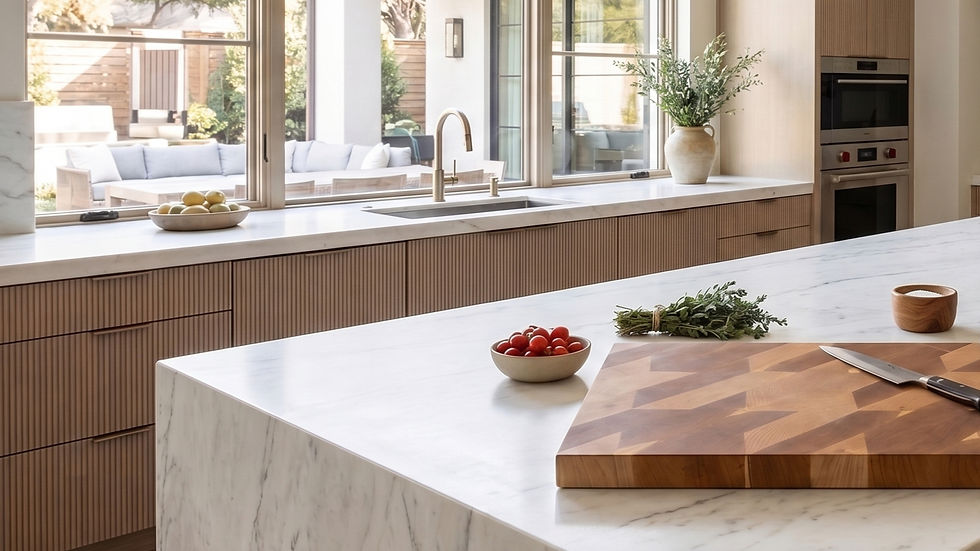
A handcrafted hardwood end-grain heirloom cutting board for Mother's Day represents the intersection of structural engineering and emotional legacy, serving as the ultimate investment. By applying a stewardship philosophy that prioritizes multigenerational preservation over transient consumption, these boards, characterized by anisotropic stability and hygroscopic resilience, become functional art designed to be looked after by the mother for the next generation.
The Metamorphosis of the Modern Hearth: Why DFW Estates Prioritize Functional Art
The contemporary luxury residence in the Dallas-Fort Worth area, particularly within the distinguished enclaves of Preston Hollow and Highland Park, has seen a radical reconfiguration of its social and architectural center. The kitchen has evolved from a sequestered service zone into the beating heart. This transformation is not merely functional; it is sociological. The kitchen island has emerged as a focal point where the rituals of family life, from the preparation of nourishment to the sharing of stories, are performed.
Within this architectural framework, the mother occupies the role of the primary curator and steward of the home’s sacred space. The kitchen island serves as an anchor point around which all family functions revolve. It is here that the mother manages the transition from the chaos of the outside world to the intimacy of the domestic sphere. The objects she selects to inhabit this space must therefore possess a gravitas that matches the weight of her responsibilities. A Key Home Goods end-grain board, handcrafted in Heath, Texas, is designed to be the centerpiece of this space. A silent witness to the growth of a family over decades.
The historical metamorphosis of the kitchen provides context for this current valuation. In the late 19th century, the household engineers of the United States sought to apply Taylorism to home planning, stripping the kitchen to its utilitarian core to maximize efficiency. However, the modern luxury movement has rejected this purely functionalist view. Today’s consumers prioritize quiet luxury and wellness spaces, seeking a stronger connection to natural materials like wood and stone. The kitchen is no longer a cook's galley but a stage for living beautifully, where the mother as steward curates an environment of warmth and permanence.
The Sociology of the Gathering Space in DFW Estates
The demand for high-end kitchen features in the North Dallas market reflects a broader shift toward curated maximalism and indoor-outdoor living. Estates in Preston Hollow often exceed 6,700 square feet, featuring chef’s kitchens equipped with premium Sub-Zero and Wolf appliances. In these environments, the choice of a cutting board is an intentional design decision. An end-grain board does not merely provide a surface for food preparation; it serves as a visual delight and a sculptural event that complements the marble waterfall countertops and fluted cabinetry common in top-tier Italian and American kitchen designs.
The role of the mother in these homes is often defined by her ability to foster conversation and togetherness. The kitchen island, which increasingly incorporates seating and multi-level surfaces for dining and prep, allows her to engage with the family without disconnecting from the task of curation. The cutting board becomes the primary tool in this engagement. A canvas for creating memories with those she loves.
Why End-Grain Heirloom Cutting Boards are the Best Choice for Mother's Day?
The promise that a gift will survive the century is an extraordinary claim that requires technical validation. At Key Home Goods, the durability of every board is rooted in the rigorous application of wood science, specifically the management of anisotropy and hygroscopic behavior. To understand why an end-grain board is the superior choice for a family heirloom, one must examine the cellular structure of the hardwoods used.
Anisotropy and the Bundle of Straws Analogy
Wood is a highly anisotropic material, meaning its mechanical and physical properties vary according to the direction of the grain. There are three primary orientations used in board construction: face grain, edge grain, and end grain. End grain is the orientation achieved when the wood fibers are stood vertically, exposing the tree's growth rings.
A useful analogy for understanding end-grain performance is that of a bundle of straws or a dense brush. When a knife blade presses down on a vertical fiber, it does not slice through the material but rather slips between the fibers. Once the blade is removed, the fibers part and then spring back into their original position. This self-healing quality is a fundamental characteristic of high-end end-grain boards, ensuring that the surface remains smooth and free of the deep scores that plague face-grain or plastic alternatives.
Grain Type | Fiber Orientation | Impact Absorption | Surface Durability | Knife Edge Retention |
End Grain | Vertical (Longitudinal Axis) | Highest | Superior (Self-Healing) | Excellent (Fibers separate) |
Edge Grain | Horizontal (Radial/Tangential) | Moderate | High (Stable) | Poor (Fibers are severed) |
Face Grain | Horizontal (Widest Face) | Lowest | Lowest (Deep grooves) | Poor (Dulls blade quickly) |
Hygroscopic Stability and the Magic Range of Moisture Content
Wood is a hygroscopic material, meaning it possesses a constant desire to reach an equilibrium with the relative humidity of its surrounding environment. This is due to the presence of hydroxyl groups within the wood's cell walls (lignin and cellulose), which bond easily with water molecules in the air. If a board is too dry, it will absorb moisture and swell; if it is too wet, it will release moisture and shrink, often resulting in warping or checking (cracking).
Key Home Goods manages this movement by ensuring that all hand-selected lumber is milled and stabilized within the magic range of 8% to 12% moisture content. Furthermore, our craftsmen utilize alternating grain orientation during the bonding process. By arranging adjacent segments so that their natural directional forces counteract one another, the board achieves a state of structural equilibrium. This technical precision is what allows a Key Home Goods board to withstand the fluctuating humidity of a Texas kitchen, from the humid spring to the dry winters.
Does an End-Grain Cutting Board Really Kill Bacteria?
A critical scientific advantage of hardwood over plastic is its natural antimicrobial property. Research has shown that the porous nature of wood is actually a defense mechanism. Through capillary action, the wood draws bacteria and liquid from the surface deep into its internal structure, the lumen of the cells.
Once trapped within the fiber, the bacteria are unable to multiply and eventually die as the wood attempts to even out its internal moisture content. This remains true regardless of how many knife marks the board sustains over time. A stark contrast to plastic boards, where bacteria can linger in deep scores that are nearly impossible to clean thoroughly. For the mother acting as the first steward of the family table, this scientific reality provides peace of mind that the tools she uses to nourish her family are inherently hygienic.
Material Allegories: American Black Cherry and Hard Maple
The selection of a specific hardwood species for a Mother’s Day heirloom is a deeply symbolic act. At the workshop in Heath, Andrew Key works primarily with American Black Cherry and Hard Maple. These two premier domestic hardwoods serve as metaphors for maternal strength and resilience.
American Black Cherry: The Timeline of Motherhood
American Black Cherry (Prunus serotina) is prized for its satiny smoothness and its remarkable transformation over time. When freshly cut, cherry heartwood is a light pinkish brown. However, as it is exposed to light and oxygen (oxidation), it darkens dramatically, developing a rich, deep reddish-brown patina within 6 to 12 months.
This aging process is not a flaw but a signature feature. It serves as a physical record of the time spent in the kitchen. For the family steward, the cherry board matures alongside her family, deepening in color and character as the years pass. Cherry has a Janka hardness of approximately 950 lbf, making it durable enough for daily use yet soft enough to be kinder to knife edges than harder species like maple.
Hard Maple: The Pillar of Timeless Resilience
Hard Maple (Acer saccharum) is the steadfast anchor of the kitchen, bringing a bright, clean, and sophisticated aesthetic to any space. Known for its incredible density and neutral cream-to-tan tones, it is the classic choice for high-end culinary environments. Hard Maple is significantly harder than cherry, with a Janka rating of 1,450 lbf, providing the highest level of resistance to wear and tear in the most active DFW kitchens.
Unlike cherry, which darkens, Hard Maple maintains its light, airy presence, eventually developing a subtle golden glow that highlights its tight, uniform grain. It is a wood that handles more abuse than any other while maintaining its quiet authority. For the mother whose strength is the foundation of the home, Hard Maple is the ideal material for a board that anchors the family’s gathering point.
Feature | American Black Cherry | Hard Maple |
Initial Color | Light pink/salmon | Bright cream/off-white |
Aging Process | Darkens to deep reddish-brown | Develops a subtle golden/amber hue |
Janka Hardness | 950 lbf (Kind to knives) | 1,450 lbf (Maximum durability) |
Texture | Satiny smooth, closed grain | Extremely dense, fine uniform texture |
Symbolism | Warmth, tradition, accumulated years | Purity, strength, unwavering resilience |
Shifting the Paradigm: From Consumption to Curation
For the discerning consumer, traditional celebrity-driven advertising is often met with skepticism. These clients seek personal, emotional value that reflects their own identity and legacy.
Stewardship implies a long-term vision and a rejection of passing trends. It requires the object to possess unseen perfection. Labor intensive hand finishing and a commitment to quality that transcends the superficial. At Key Home Goods, this is reflected in the artisanal excellence of the process: no mass production, no shortcuts, and a dedication to creating products that survive for a century.
The Sacred Dimension of the Heirloom
A stewardship philosophy is only sustainable if it is backed by tangible longevity and economic reality. Key Home Goods ensures this through the use of premium materials and a finishing process that creates a naturally hydrophobic shield.
The sacred dimension arises from the connection between the object and the family’s history. As the mother uses the board to prepare meals for her children, it becomes a silent witness to their growth. When the children eventually host their own families, the board serves as a physical link to their mother’s kitchen.
Integrating Functional Art into DFW Luxury Lifestyle Trends
The Dallas-Fort Worth luxury market for 2026 is characterized by a shift toward homes that balance comfort, functionality, and modern design. For families in Preston Hollow and Highland Park, a Key Home Goods board is more than a culinary accessory; it is a vital component of the wellness and cozy trends shaping luxury interiors.
Wellness and the Natural Aesthetic
Discerning buyers are increasingly drawn to wellness features that double as personal sanctuaries. This includes the use of natural materials like wood and stone, which bring warmth and texture to the space. An end-grain cutting board, with its organic flow and velvety smooth hand-sanded finish, aligns with this biophilic design philosophy.
Furthermore, as remote work continues to shape daily life, the kitchen island has become a multi-purpose zone. A guest room might double as an office and dining area. In this versatile environment, a worktable island that forgoes the typical cabinet base for a free-standing design is becoming popular. The Key Home Goods board, as a movable piece of functional art, provides a stable, beautiful surface for these diverse activities, from chopping vegetables for a family dinner to providing a refined backdrop for an afternoon Zoom call.
The Dual-Island Phenomenon
A significant trend in luxury kitchens is the dual island layout. This design clearly delineates social and functional zones. One island serves the chef’s needs for preparation and plating, while the second provides a space for gathering and conversation.
The Signature Collection of Key Home Goods is ideally suited for this layout. A large houndstooth board on the prep island provides the technical foundation needed for heavy culinary work, while a live-edge charcuterie board on the social island invites engagement and serves as a conversation piece. This balance of efficiency and elegance is what the DFW homeowner seeks.
2026 Trend | Description | Key Home Goods Integration |
Warm, Earthy Tones, Organic Modern | Shift from cool grays to browns and spices | Richness of Hard Maple and aged Cherry |
Curated Maximalism | Mixing textures and bold patterns | Signature Houndstooth and book-matched patterns |
Wellness Spaces | Sanctuary-like homes focusing on health | Antibacterial hardwoods and food-safe finishes |
Dual Islands | Separate zones for prep and social connection | Different boards for specific culinary roles |
Sustainable Luxury | Reclaimed wood and low-VOC finishes | Hand-selected, domestic hardwoods and beeswax |
Maintenance as an Act of Stewardship
A common mistake in kitchen management is treating the cutting board as a maintenance-free tool. In the stewardship model, care is seen as a virtue of character. A disposition that ensures the sustainable future of the object. Maintenance is the process by which the mother ensures the board remains looked after for her children.
The Technical Maintenance Protocol
Key Home Goods boards are treated with a naturally hydrophobic shield of mineral oil and Texas-sourced beeswax. To maintain this shield, the steward must adhere to a specific protocol that respects the wood's hygroscopic nature.
Sanitation: After use, the board should be cleaned with a warm, soapy cloth and immediately dried on both sides. It must never be submerged in water or placed in a dishwasher, as extended submersion causes the wood fibers to swell rapidly, leading to warping and bond failure.
Hydration: Mineral oil should be applied regularly. Ideally after every use, but at least once a month if the board is only for display. This keeps the hydroxyl groups in the wood saturated, preventing the board from seeking moisture from the atmosphere.
Sealing: A regular treatment with Board Butter (a blend of oil and beeswax) provides a surface seal that enhances the wood's resilience against liquids and maintains its velvety smooth finish.
Stewardship vs. Standard Cleaning
Aspect | Standard Cleaning | Stewardship Maintenance |
Goal | Removal of surface debris | Preservation of structural integrity and patina |
Mindset | Reactive chore | Proactive ritual of care |
Materials | Detergents and water | Food-grade mineral oil and Texas beeswax |
Timeline | Short-term sanitation | Century-long preservation for the next generation |
The Ultimate Mother’s Day Legacy
The selection of a Mother’s Day gift for the discerning family in Preston Hollow or Highland Park is a decision of lasting significance. A handcrafted end-grain board from Key Home Goods is not a purchase of utility; it is an investment in the heart of the home.
By positioning the mother as the first steward, the family honors her role as the curator of their shared history. They provide her with a vessel that will witness their most precious moments. The holiday feasts, the quiet Sunday mornings, and the evening conversations around the kitchen island.
Supported by the rigorous science of anisotropy and the magic range of moisture management, this board is engineered to be passed down. It is a physical manifestation of a family’s strength, intended to be looked after by the mother until it is ready to anchor the table of the next generation.
This Mother’s Day, choose the Signature Collection as the vessel for your family’s legacy. Cheers!
Frequently Asked Questions
Question | Short Answer | Technical SME Detail |
Why is end-grain better for a lifetime heirloom? | It is self-healing and superior for knife protection. | The vertical orientation allows blades to separate fibers (vessels/tracheids) rather than severing them, preserving the cellular structure over decades. |
Does the board really kill bacteria? | Yes, hardwood is naturally antimicrobial. | Through the hygroscopic effect, wood draws moisture and bacteria deep into the fiber (lumen) where the bacteria dry out and die. |
How does the wood's color change over time? | It develops a rich patina based on species. | Cherry darkens to a deep reddish-brown via oxidation; Hard Maple develops a subtle golden/amber hue |
What is book-matching in a cutting board? | Mirroring the grain of adjacent wood segments. | This technique enhances the visual flow and creates a pattern within the pattern, often amplifying the optical effect of the pattern. |
Is stewardship maintenance difficult? | It is a simple but essential monthly ritual. | Regular oiling manages the internal moisture content within the stable 8-12% range, preventing the anisotropic stresses that cause warping. |
About the Author
The foundation of Key Home Goods is the story of its founder and owner, Andrew Key. In 2019, Andrew crafted two custom cutting boards as wedding gifts for lifelong friends. One in a houndstooth pattern and one in herringbone. His goal was to provide something more than a tool; he wanted to create a physical representation of his appreciation that would stand the test of time.
Working from his studio in Heath, Texas, Andrew has spent the last seven years perfecting the craft of functional art. His process is defined by an unwavering commitment to artisanal excellence:
The Art of Selection: Every piece of lumber is hand-selected based on age, color, and grain to ensure each board has its own soul and individuality.
Precision Engineering: Wood is milled to exact dimensions and segments are labeled for perfect placement in the final composition.
The Signature Houndstooth: Andrew pioneered the use of book-matched end-grain in patterns entirely unique in the woodworking world, creating a layered effect that is now our brand’s hallmark.
For Andrew, luxury is not just a price, it is a feeling. It is the pride of owning a piece of art that enhances your home and the comfort of knowing your choice is supported by a dedication to service. His promise is simple: while he cannot guarantee your meals will taste better, he can guarantee that your time in the kitchen will feel richer, more inspired, and more connected.


