The Dallas Guide to the 2026 Luxury Wedding Registry: From Scullery to Statement

Key Takeaways: The Stewardship Shift
Generational Assets: The modern registry is transitioning from a catalog of temporary conveniences into a strategic curation of assets intended to last for decades.
Provenance Over Logos: High-net-worth couples are rejecting fast furniture in favor of objects with material integrity and emotional resonance.
The Spiritual Center: The kitchen has been reimagined as a site of cultural transmission and functional art.
The modern wedding registry has undergone a profound structural metamorphosis, transitioning from a catalog of temporary conveniences into a strategic curation of generational assets. For high-net-worth couples establishing a 2026 Luxury Wedding Registry, the landscape of luxury is no longer defined by the accumulation of logos, but by the curation of provenance. In the grand estates of Dallas neighborhoods like Highland Park and Preston Hollow, a new dynasty is emerging. One that rejects disposable goods in favor of quiet luxury and slow living. As a craftsman with six years of specialized experience in luxury hardwoods, I founded Key Home Goods on a Zero-Defect Philosophy to ensure the foundation of the home is anchored by functional art designed to outlast fleeting trends. By selecting these bespoke masterpieces, the modern matriarch reimagines the kitchen not just as a utilitarian space, but as the spiritual center of the home where heritage is forged for future generations.
The Stewardship Shift in the 2026 Luxury Wedding Registry
The landscape of luxury in 2026 is no longer defined by the accumulation of logos, but by the curation of provenance. In the grand estates of neighborhoods such as Highland Park and Preston Hollow, the aesthetic of the new dynasty is emerging. A demographic of young, affluent couples who reject the fast furniture and disposable goods that defined previous decades. This shift is characterized by a move toward quiet luxury and slow living, where the value of a home asset is measured by its material integrity, its emotional resonance, and its capacity to be passed down from mother to daughter, father to son.
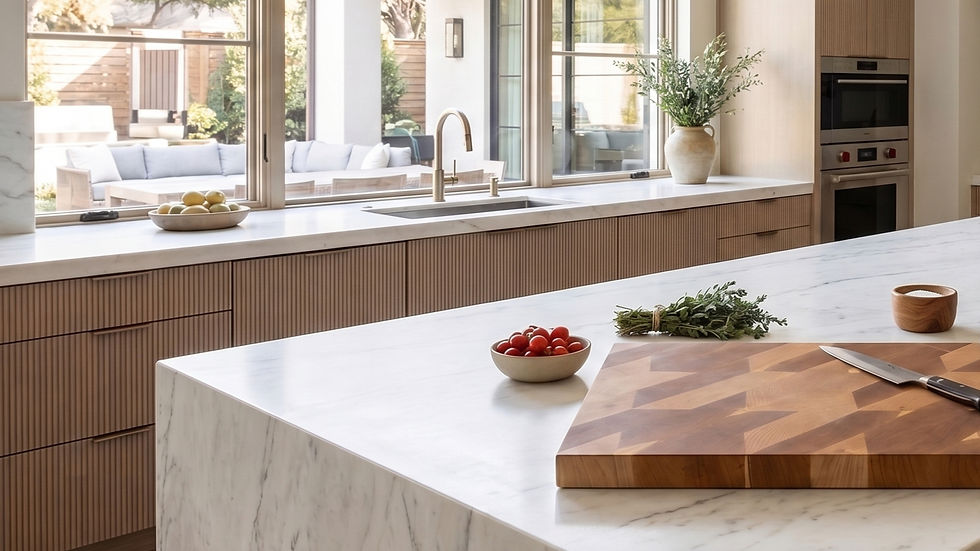
The philosophy guiding this new era of consumption has made its way into the kitchen, once viewed merely as a utilitarian space, where it has been reimagined as the spiritual center of the home. No longer just where food is prepared, but where intimacy and functional art reside. When a couple adds a Key Home Goods Signature board to their registry, they are not selecting a kitchen tool; they are selecting a family member.
This focus on motherhood and generations is central to the 2026 luxury wedding registry. The modern matriarch views her kitchen as a site of cultural transmission. The textures, scents, and sights of the home are the heritage she provides for her children. In this context, a cutting board crafted from American hardwoods is not just a surface for preparation; it is a witness to every holiday meal, every birthday celebration, and every quiet Tuesday dinner that forms the tapestry of a family’s story.
Biological and Material Integrity: The Science of Longevity
The justification for a high-investment cutting surface is rooted in the complex material science of wood anatomy. In the luxury sector, the distinction between a mass-produced retail board and an artisan masterpiece is found at the cellular level. Key Home Goods utilizes the unique properties of North American hardwoods, specifically Hard Maple, Black Walnut, and Black Cherry, to create surfaces that are biologically and structurally superior to synthetic or low-grade alternatives.
Lignin Density and Structural Skeletal Integrity
At the core of a wood’s durability is lignin, a complex organic polymer that acts as the primary structural component of the plant cell wall. Lignin provides the rigidity and resistance to decay that allows a tree to stand for centuries and a cutting board to last for decades. The skeletal density of lignin in high-end hardwoods ranges from 1.3370 to 1.4598 grams per centimeter cubed, creating a dense, resilient matrix that resists the mechanical stresses of professional culinary work.
Furthermore, our Zero-Defect Philosophy ensures that only wood with a high lignin-to-cellulose ratio and optimal density is selected for the Signature Collection. This attention to material science prevents the irreversible cell-wall collapse that occurs in inferior products when exposed to the thermal shocks of a modern kitchen environment.
Moisture Equilibrium and Hygroscopic Stability
Wood is a living, breathing material that constantly interacts with its environment through the exchange of moisture. The concept of Equilibrium Moisture Content (EMC) is critical to the longevity of an heirloom board. Wood reaches EMC when it neither gains nor loses moisture relative to the humidity of its surroundings. A well-crafted board must be dried to a specific moisture content, typically 8–12%, to ensure stability once it enters a climate-controlled home.
If a board’s moisture content rises above the fiber saturation point (Fsp), generally 25–30%, it becomes susceptible to fungal colonization and rot. Key Home Goods ensures that every board in the Signature Collection is seasoned and sealed to maintain its EMC, preventing the warping, cracking, and crazing that plagues mass-market retail boards.
The Physics of End-Grain Construction
The hallmark of a professional-grade heirloom is end-grain construction. In this technique, the wood blocks are arranged so that the fibers stand vertically, like the bristles of a brush, rather than lying horizontally. This orientation is the secret to the board’s "self-healing" properties and its extraordinary kindness to high-end cutlery.
When a knife blade descends onto an end-grain surface, it does not slice through the wood fibers. Instead, the blade slides between the vertical fibers, which part to accommodate the edge and then spring back together once the pressure is released. This interaction significantly reduces the abrasive force on the knife’s delicate edge. Research indicates that end-grain hardwoods can reduce knife edge wear by up to 68% compared to plastic or edge-grain alternatives.
Feature | End-Grain (Signature Collection) | Edge-Grain (Standard Retail) | Plastic/Synthetic |
Fiber Orientation | Vertical (Perpendicular to surface) | Horizontal (Parallel to surface) | Non-fibrous (Polymer) |
Knife Care | Excellent (Preserves sharpness) | Poor (Dulls blades rapidly) | Worst (Abrasive) |
Durability | Highest (Self-healing) | Moderate (Shows deep cuts) | Lowest (Gouges and scars) |
Hygiene | Naturally Antibacterial | Fair | Poor (Microplastic leaching) |
Longevity | Decades to Generations | 2–5 Years | 6–12 Months |
Aesthetic | Houndstooth/Artistic Patterns | Linear/Striped | Industrial/Sterile |
Essential Masterpieces for a 2026 Luxury Wedding Registry
The Signature Collection is not a monolithic product line but a curated selection of hardwoods, each chosen for its specific Janka hardness rating, density, and aesthetic character. The Janka scale measures the resistance of wood to denting and wear, providing a metric for knife-friendliness.
Sugar Maple (Acer saccharum): The Professional Standard
With a Janka hardness of 1,450 lbf, Hard Maple is the premier choice for the heavy-duty demands of a professional kitchen. Its tight, closed-grain structure makes it exceptionally resistant to moisture absorption and bacterial growth. Furthermore, Maple contains natural tannins that have been shown to inhibit the adhesion of Staphylococcus aureus by 73%. For the 2026 registry, a Maple board represents the workhorse of the dynasty. A piece designed for daily prep and the safe handling of raw proteins.
Black Walnut (Juglans nigra): The Artist’s Choice
Black Walnut offers a Janka rating of 1,010 lbf, providing a slightly softer, more yielding surface that is exceptionally gentle on delicate Japanese or high-carbon steel knives. Walnut is prized for its rich, chocolate-colored heartwood and its ability to develop a lustrous patina over time. Biologically, Walnut contains juglone, a naphthoquinone compound with documented antifungal and antimicrobial properties. In the Signature Collection, Walnut in combination with Maple is often utilized for The Statement, a board that functions as both a prep surface and a centerpiece for social hosting.
Black Cherry (Prunus serotina): The Elegant Companion
Cherry wood, with a Janka rating of 950 lbf, is the softest of the three primary hardwoods used by Key Home Goods, yet it remains remarkably durable when constructed in an end-grain format. Cherry is unique for its ability to darken with age and light exposure, transitioning from a warm pinkish-red to a deep, mahogany-like hue. It is often the choice for couples seeking an organic, evolving element in their home. A piece that literally changes as their family grows.
Wood Species | Janka Hardness (lbf) | Density (kg/m3) | Primary Benefit |
Hard Maple | 1,450 | 690 | Maximum durability and bacterial resistance |
Black Walnut | 1,010 | 620 | Knife preservation and sophisticated aesthetic |
Black Cherry | 950 | 580 | Soft tactile feel and deep aging patina |
The Dallas Architecture: Kitchens of the New Dynasty
In the exclusive enclaves of Dallas, such as Highland Park and Preston Hollow, the kitchen is no longer a room; it is an architectural statement. The 2026 registry must reflect the specific design trends and lifestyle demands of these neighborhoods, where multi-generational living and high-frequency entertaining are the norms.
The Rise of the Scullery and Back Kitchen
A defining trend in Dallas luxury homes is the scullery or "back kitchen. This is a secondary, fully functional kitchen adjacent to the main entertaining area. The main kitchen remains a pristine gallery of statement slabs and unlacquered brass, while the scullery handles the heavy lifting of meal preparation, dishwashing, and storage.
A Key Home Goods Signature board is designed to bridge these two worlds. The Statement, with its 24-inch length and 2-inch height, provides the mass and stability required for a professional chef working in a back kitchen, yet its book-matched grain pattern and artistic symmetry make it a worthy occupant of the main kitchen’s oversized island. For the Dallas couple, these boards are the connection between the functionality of the scullery and the elegance of the open-concept living space.
Warm Minimalism and Material Juxtaposition
Interior design in 2026 is moving away from the cold, clinical minimalism of the early 2020s toward warm minimalism. This style emphasizes tactile, honest materials: raw wood, honed stone, linen, and unlacquered metals. The Signature Collection’s use of American hardwoods provides the necessary warmth to counterbalance the chrome renaissance and the reflective stainless steel surfaces that are trending in modern Dallas renovations.
The Live Board, crafted from rare Curly Maple, is particularly resonant in Highland Park homes where organic modern decor is prevalent. The untamed, live edge of the board serves as an organic counterpoint to the rectilinear forms of high-end appliances and custom cabinetry, bringing a sense of nature’s asymmetry and negative space into the heart of the home.
Stewardship and Sustainability: The Tree-to-Table Creed
For the high-net-worth couple, sustainability is not a marketing buzzword; it is a component of their legacy. They are acutely aware of the environmental footprint they leave for their children. Key Home Goods addresses this through its Tree-to-Table philosophy, ensuring that every board is a product of ethical sourcing and environmental reverence.
Ethical Sourcing and American Heritage
Every material used in the Signature Collection is sourced from the best Texan and American businesses. This deliberate choice prioritizes local legacy over the fleeting cost-savings of overseas mass production. By selecting hardwoods like Maple and Walnut that are managed through sustainable forestry practices (such as FSC certification), Key Home Goods ensures that the production of an heirloom does not deplete the resources of the future.
The One Tree Planted Partnership
In a direct act of renewal, Key Home Goods plants a tree for every masterpiece sold through its partnership with One Tree Planted. A piece of the earth is taken to create a family heirloom, and in response, a new life is planted to sustain the earth for future generations.
Securing Your Assets: 2026 Luxury Wedding Registry Logistics
Our cutting boards are not mass-produced items available for immediate scanning at a big-box retailer. Each piece is made to order, often requiring 6 to 8 weeks of meticulous handcrafting and finishing.
Wedding Gift Allocation
For the wedding gift, couples should begin the process early, collaborating with our craftsman to secure their pieces within the production schedule. This exclusivity ensures that when a guest purchases a board for them, they are gifting a one-of-one treasure that has been specifically created for the couple.
Concierge and White-Glove Services
To accommodate the high expectations of the Dallas market, Key Home Goods offers White-Glove Service, which includes personalized consultations for heritage mark engravings and specialized delivery within the DFW area. This concierge-style approach ensures that the gift experience is as refined as the products themselves, removing the overwhelming nature of traditional registries and replacing it with a bespoke and exciting experience.
Registry Aspect | Standard Wedding Registry | The Key Home Goods Experience |
Availability | Mass-produced, always in stock | Made-to-order; limited annual production |
Customization | Minimal (Generic monogramming) | Bespoke, Heritage Mark, and book-matched grain curation |
Lead Time | Overnight to 1 week | 6–8 weeks for artisan handcrafting |
Sustainability | Variable / Transparent-washing | Tree-to-Table ethical sourcing; 1:1 tree planting |
Delivery | Standard courier | White-Glove delivery (DFW) and maker-to-client communication |
The Heirloom Difference
The fundamental distinction between a utility and an heirloom is the intention behind its creation. Retail boards are designed for profit over precision, often utilizing questionable adhesives and low-grade wood that will eventually warp or harbor harmful bacteria. In contrast, the Signature Collection is built from a Zero-Defect Philosophy, where every glue joint, every fiber orientation, and every finish is executed to a standard of absolute performance.
For the 2026 couple, the heirloom difference is a biological reality. It is the knowledge that their board contains natural antimicrobial compounds, that its end-grain construction will preserve their knives for a lifetime, and that its structural stability is backed by a Timeless Guarantee. It is an investment in the health of their family and the beauty of their home. An asset that will only grow more valuable as it acquires the patina of a life well-lived.
The Architecture of a Shared Life
The 2026 wedding registry is the first act of stewardship for a new family. In the transition from yours and mine to ours, the objects chosen to inhabit the home become the anchors of a shared identity. By selecting a Key Home Goods Signature board, a couple is not merely fulfilling a culinary need; they are commissioning a piece of history.
In the sculleries and kitchens of Highland Park and Preston Hollow, these boards will stand as symbols of a refined lifestyle. One that values the touch of wood, the precision of a sharp blade, and the quiet dignity of an object that will outlive the trends of today. This is the essence of the new dynasty: a commitment to quality that is measured in decades, a reverence for nature that is expressed in every grain, and a belief that the best things in life are those we look after for the next generation.
Explore our collection today and secure your future heirloom today. Cheers!
Frequently Asked Questions
Question | Expert Guidance |
How does an heirloom board differ from standard retail boards? | Artisan boards utilize 90% clear top-grade (Selects & Better) hardwoods and are constructed with a massive 2-inch thickness. Unlike retail boards, they use end-grain construction, which is self-healing and preserves knife edges for decades. |
What is the wedding gift allocation process? | Due to the labor-intensive nature of handcrafting and book-matching, production is limited. We recommend purchasing at least 4 months before the wedding. Each board is allocated and made-to-order, ensuring your piece is a unique masterpiece. |
How does the Timeless Guarantee work? | Our guarantee is a commitment to the life of the board. It covers structural integrity, material defects, and craftsmanship. We don't just sell a tool; we offer a relationship, including ongoing support for care and maintenance. |
Is the wood sustainably sourced for future generations? | Yes. We adhere to a Tree-to-Table creed, sourcing only from verified American and Texan businesses. Through our partnership with One Tree Planted, we plant a tree for every board sold, ensuring your legacy is planet-positive. |
How do I maintain the investment-grade quality of the board? | Maintenance is simple but vital. We recommend monthly application of food-grade mineral oil or board butter. When a board is well-oiled, water beads on the surface, indicating the cellular structure is protected. We have plenty of resources available on our website, but when in doubt, contact us and we will be glad to assist you. |
About the Author
The provenance of an heirloom is inextricably linked to the hands that shaped it. At Key Home Goods, every masterpiece is the singular vision of Andrew Key, the Founder and Master Craftsman. With six years of specialized experience working with luxury hardwoods, Andrew has refined the art of cutting boards to its highest degree.
Andrew’s path to master craftsmanship was unconventional, providing him with a unique blend of analytical precision and artistic intuition. This background instilled in him a Zero-Defect Philosophy. A standard of excellence where the margin for error is almost non-existent. He treats each board with the same level of scrutiny ensuring that the structural integrity and aesthetic symmetry are mathematically perfect.
His dedication to the craft was born from a desire to bring beauty back to utility. Frustrated by the prevalence of disposable, machine-made goods, Andrew returned to the traditions of the skilled artisans who built America. His signature technique, book-matching the wood’s grain to create a pattern within a pattern, transforms natural lumber into a layered, dimensional work of art. For Andrew, every board is a timeless promise. A handcrafted vessel for those who seek beauty, exclusivity, and purpose in every corner of their home.